
Whoa!
I was halfway through a swap when something felt off about the gas estimation.
My instinct said: pause the transaction and double-check the signing window.
At first I shrugged it off, thinking it was a UI quirk, though actually that hesitation saved me from a bad approval.
Here’s the thing: browser extension wallets are convenient, but convenience is also the attack surface.
Okay, so check this out—extensions live in the browser process and talk to pages directly.
That proximity makes them fast and user-friendly, and honestly it’s bloody brilliant when it works.
But on the flip side, it means a malicious site can try to trick you into approving something you didn’t mean to sign.
Something about that trade-off bugs me; usability often outruns safe defaults.
I’m biased, but I prefer wallets that force me to slow down and confirm intent carefully.
Shortcuts are seductive because they speed up trades and add momentum to user sessions.
Yet momentum is also how people make costly mistakes during volatile markets.
My approach is simple and tactile: review every approval, inspect every calldata payload, and question every permission request.
Initially I thought that level of scrutiny was overkill, but after a few near-misses I adjusted my mental model.
Actually, wait—let me rephrase that: it’s not paranoia, it’s hygiene.
Here are the common threats I see, in very plain language.
Phishing dApps that spoof interfaces are common and surprisingly convincing.
Malicious scripts that hijack clipboard or inject hidden buttons are a frequent vector, and they operate quietly.
Fake token approvals that grant transferFrom rights are the classic snag; they let attackers siphon tokens later.
And browser extension supply-chain compromises—those are scarier, because they can alter signing logic itself.
On one hand, hardware wallets lock the private keys offline and reduce many risks.
Though actually, hardware wallets have UX friction and they aren’t immune to every trick, especially when paired with a compromised browser.
On the other hand, well-built extension wallets can be safer than average because they add contextual defenses and clearer UX affordances.
For example, a wallet that parses calldata and shows human-friendly intent can stop a lot of scams before they start.
But such features only help if people read the warnings—they need nudges, not just alerts.
I’ll be honest: I tried a handful of extensions before settling into a small toolkit of favorites.
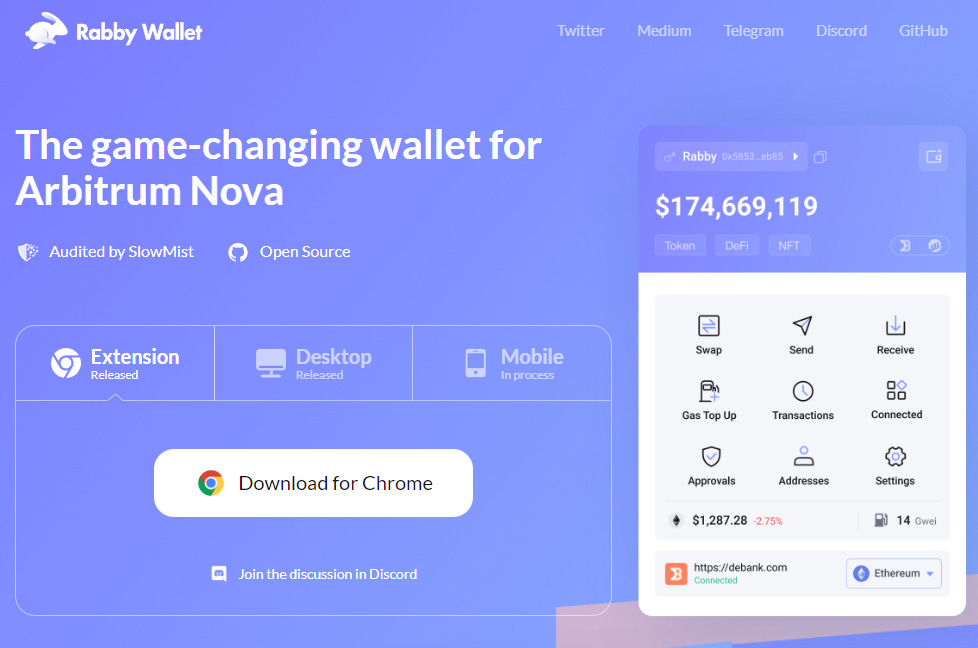
One of them is rabby, which I use for day-to-day swaps and approvals, and yeah—it’s growing on me.
The way it surfaces approvals and summarizes actions in plain language is quiet but effective.
Check it out if you want something that nudges you toward safer decisions without being clumsy.
Design matters more than people give it credit for.
Good UX reduces cognitive load, and reduced load equals fewer mistakes under stress.
So when a wallet highlights the exact address an approval would touch, or shows token flow direction clearly, that’s helpful.
On the contrary, wallets that dump raw calldata at users are asking for trouble, because most people can’t parse that spaghetti.
We need tools that translate machine actions into human consequences.
Security is layered: permissions, transaction previews, origin binding, and optional hardware confirmations.
Origin binding is underappreciated; popup isolation and domain binding make sure approvals match visible pages.
Transaction previews that label spending allowances, and show not just amounts but purposes, reduce ambiguous approvals.
Some wallets even sandbox third-party integrations so that a malicious dApp can’t just call sendTransaction directly without clear user-visible consent.
Those are the kinds of thoughtful protections that separate useful wallets from risky ones.
Practical setup tips I tell friends when they ask are short and actionable.
Create separate accounts for trading and holding, and never approve unlimited allowances unless absolutely necessary.
Use session-based approvals where possible, and revoke token allowances periodically through on-chain tools or the wallet UI.
Enable phishing protection or blocklists if the wallet supports them, and keep your extension updated.
Oh, and back up your seed phrase securely—don’t screenshot it, and please don’t store it in cloud notes.
Sometimes I find myself juggling convenience and paranoia, and that tension is okay.
There are times when fast approvals matter, like arbitrage windows, though even then small pauses help avoid catastrophe.
My workflow generally keeps larger balances in a cold storage solution and only moves slugs of funds to my hot extension when I intend to trade.
That little habit reduced my risk profile dramatically, and it’s low friction once you build it into a routine.
Try it—your future self will thank you, or at least won’t be crying into logs at 3 a.m.
Developers and power users should push for better standards too.
Clear schema for transaction intent, standard icons for approvals, and stronger heuristics for suspicious calldata would all help.
Browser vendors could do more to isolate extensions and flag risky permissions at install time.
Until that happens, wallets that prioritize clarity and offer sane defaults are the ones I trust with my keys.
And yes, some of those trust decisions are subjective and based on long-term use patterns more than a single audit report.
Putting It Together: How I Use an Extension Safely
Start small, and plant guardrails.
Keep minimal balances for regular use and stash the rest offline or in a separate account.
Read approvals like they’re contracts; look for destination addresses and token spend permissions with care.
Enable any available safety features: nonce management, transaction preview enhancements, and phishing filters.
And when in doubt, pause the flow and cross-check on a separate device—this step has saved me more than once.
FAQ
Is a browser extension wallet safe for daily trading?
Yes, with caveats. They are safe if you follow layered defenses: keep small hot balances, read approvals, use wallets with clear transaction previews, and pair critical actions with hardware confirmations when possible.
How do I limit token approvals effectively?
Set approvals to exact amounts rather than unlimited when possible, revoke old approvals regularly, and use on-chain allowance management tools or the wallet’s built-in revocation features to clean up permissions you no longer need.