
Okay, so check this out—I’ve been messing with Solana wallets for years now. Whoa! The ecosystem moves fast. My instinct said browser extensions would always feel risky, but actually, wait—let me rephrase that: at first I avoided them, though then I realized some extensions solve real UX problems without sacrificing security, if you use them right. Seriously? Yep. There’s a lot under the hood that most writeups skip.
I remember the first time I tried a mobile-only wallet and nearly cried over lost seed phrases. Hmm… that panic stuck with me. On one hand mobile wallets force good habits, though actually browser extensions let you pair accounts across tabs and dapps with way less friction. Initially I thought extensions were just convenience wrappers, but then I started using one daily and noticed fewer manual errors, fewer mis-copied addresses, and less tab chaos—little wins add up fast.
Here’s the thing. When a piece of software becomes part of my routine I start measuring it not just for security but for the subtle ways it saves time. Little UX details matter—a well-timed confirmation, clear network labels, sensible default gas suggestions (on Solana this is about speed, not gas), and sensible NFT handling. These are the moments that decide whether a wallet is a tool or a toy. And yes, I’m biased toward solutions that feel native in the browser, because that’s where I do most of my research and trading (oh, and by the way… I like keyboard shortcuts).
How a good Solana browser extension actually earns your trust
Short answer: predictability. Really? Yes. A wallet that behaves predictably reduces accidental mistakes. My rule of thumb is simple—if the wallet requires too many steps to connect to a dapp, it’s probably adding unnecessary attack surface. That sounds a bit simplistic, though there’s nuance: fewer prompts doesn’t mean less secure, it can mean smarter prompts.
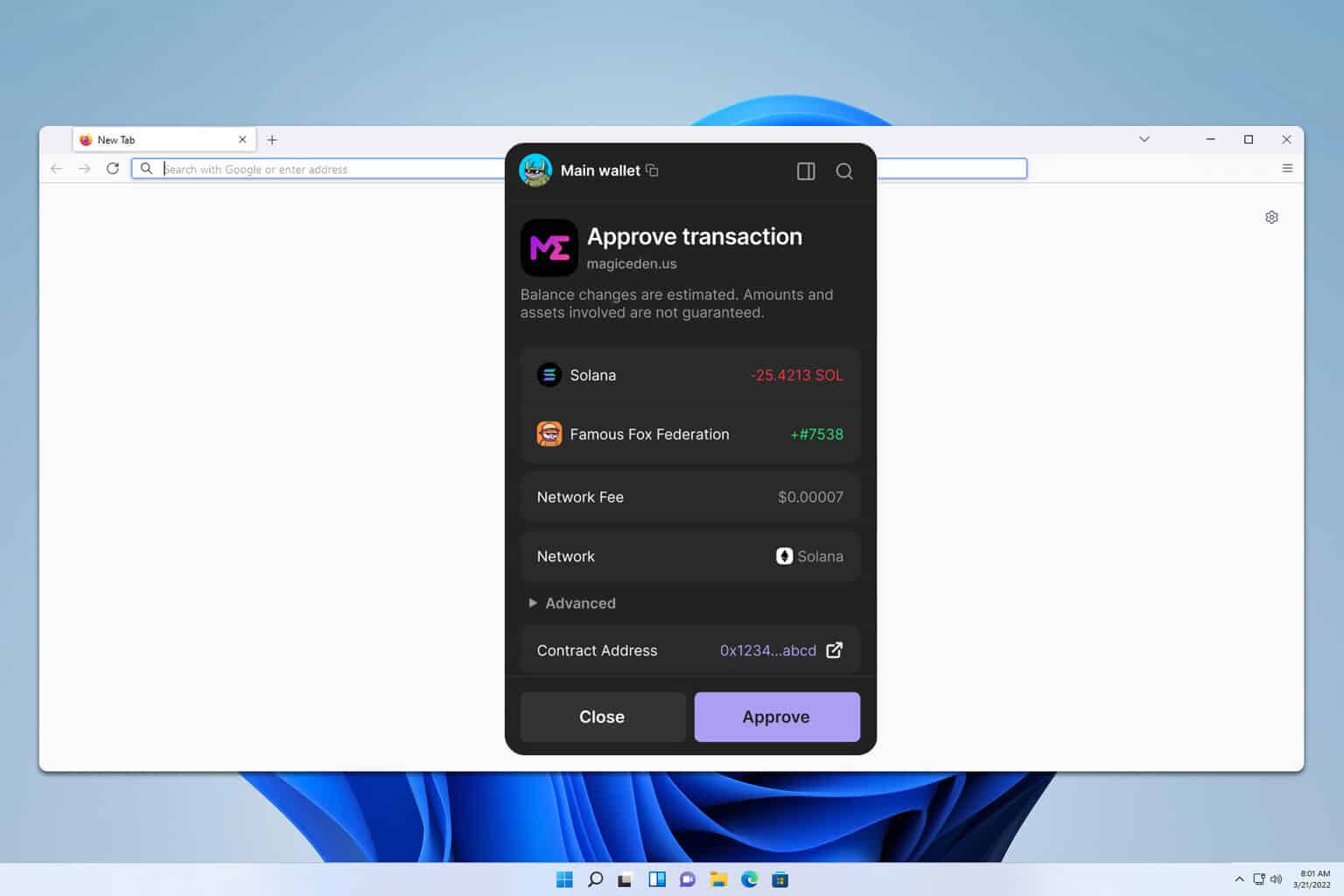
Think about decisive moments—when you’re approving a swap, minting an NFT, or signing a message. A clear, single-line summary of the transaction is worth more than three popups that say the same thing in different words. On one project I was part of, the team removed redundancy and the community reported fewer errors within a week. I’m not 100% sure why the reduction was so pronounced—maybe cognitive load dropped—maybe folks were just tired of multiple clicks—but the pattern was real.
Also, wallet devs who clearly separate accounts (devnet, mainnet, phantom test wallets, whatever) help users avoid sending tokens to the wrong chain. This matters on Solana where chains and clusters can be confusing for newcomers. Something felt off about wallets that lumped everything together. My instinct said “label it” and the simplest labeling fixes often prevent the most embarrassing mistakes.
When I tried Phantom several months ago it clicked for me—the UI was lean, the confirmations were sensible, and NFT handling didn’t feel like an afterthought. I use an extension, but you can find options on various sources including a reliable place to grab the extension if you want to test it out yourself: phantom wallet download extension. That single click saved me a ton of detours when I was onboarding new collaborators.
Note: never download wallets from random links. Always verify the publisher and the store listing. That caveat sounds rote, I know, but it’s the rule people break most often. Double-check the extension ID. Read the permissions. If something asks to access everything—pause. Something felt off about extensions that ask for broad access; the good ones request only what they need.
Wallet habits that actually protect you (and speed you up)
Short list first. Lock the wallet when idle. Use separate accounts for different activities. Label accounts. Export and verify your seed phrase offline. Use hardware wallets for large holdings. Sounds basic. But, man, are these often overlooked. My first hot wallet held a small test stash and then I started using it for bigger stuff—very very important lesson: never graduate wallets by accident.
On-screen confirmations should be read. I know—it feels tedious. But reading reduces costly mistakes. I once skimmed a swap prompt and accidentally approved a token approval for a contract with a confusing name. Oops. That burned some sleep. I’m telling you because the pain taught me to take two deep breaths before tapping “approve”.
I’ll be honest: hardware wallets paired with a browser extension are my go-to combo for anything above pocket change. The extension handles the UX and the hardware handles the keys. It’s not perfect, though—device compatibility can be flaky across different laptops, and drivers on older machines sometimes act up. Still, when the ledger or Trezor confirms a high-value transaction, that little LED blinking feels like a seatbelt click.
On Solana specifically, keep an eye on token standards—SPL tokens and programmable NFTs have nuances. Some marketplaces optimize metadata differently and that can affect how an NFT appears in your collection. This part bugs me because the fragmentation creates edge cases where a wallet displays balances differently than a marketplace. Work-arounds exist, but they require careful inspection and sometimes manual refreshes.
A few common pitfalls and how to avoid them
First pitfall: auto-approved connections. Some sites make it feel like connecting is a single, safe click. Hmm… my gut told me to question those flows. If a dapp requests signing of multiple arbitrary messages at once—stop. It’s rarely necessary unless you’re in a complex protocol. Ask yourself: does this site actually need continuous access?
Second pitfall: confusing NFTs with tokens. Marketplaces sometimes bundle approvals and you might sign a broad permission unexpectedly. Read the approval scope. If the approval says “approve all NFTs”, double-check—are you okay with that? Often you don’t need that blanket permission.
Third pitfall: phishing overlays and fake popups. These are getting craftier. If an approval window looks slightly different, that could be a red flag. Compare icons, check the extension badge, and when in doubt, close the tab and re-open the extension manually. Sounds annoying but it takes seconds and can save a lot.
One practical habit: keep a small “play” account with minimal funds for testing new dapps, and a separate “main” account for serious activity. That simple split reduces stress. My collaborators laugh, but it has saved us from botched mints more than once.
FAQs — quick answers I wish I had months ago
Q: Is a browser extension safe for NFTs and DeFi on Solana?
Short answer: Yes, if you follow basic hygiene. Use hardware wallets for larger amounts, keep seed phrases offline, verify extension sources, and read approvals. On the flip side, browser extensions are convenient and they integrate well with Solana dapps—just don’t treat convenience as a substitute for caution.
Q: Should I use the same wallet for everything?
No. Segregate accounts by purpose—testing, trading, long-term storage. I’m biased, but compartmentalization reduces risk and mental clutter.
Q: How do I spot a fake wallet or a phishing site?
Look for mismatched branding, odd permission requests, and unexpected redirects. If something asks for broad continuous permissions or multiple arbitrary signatures, pause. When in doubt, re-open the extension directly rather than clicking an in-site popup.