
Wow!
I remember the first time I tried to move assets across two chains and felt my stomach drop. My instinct said this would be simple, but then things got messy—really messy. Initially I thought a single extension could handle everything, but then I realized the UX gaps, gas confusion, and risk vectors were bigger than I expected. On one hand the promise of DeFi is seamless composability; on the other, browser extensions often make mistakes that cost money.
Whoa!
Here’s the thing. I started testing a bunch of wallets last year for day-to-day use and for safer multi-chain management. Something felt off about the approvals flows in most extensions—too many vague prompts, too many unchecked permissions. My gut said “don’t click that” more times than I care to admit. So I dug deeper, and that digging changed how I think about security layers in a wallet.
Really?
At first, I wanted pure minimalism: one seed, one tab, done. But then I noticed edge cases. For example, bridging tokens across L2s or moving NFTs between compatible chains often required juggling networks and approvals, and that friction invites user error. Actually, wait—let me rephrase that: the friction *amplifies* mistakes, especially when the UI hides gas fees or consolidates transactions in confusing ways. On balance, multi-chain support is great, but only when the extension gives users clear contextual info and sane defaults.
Hmm…
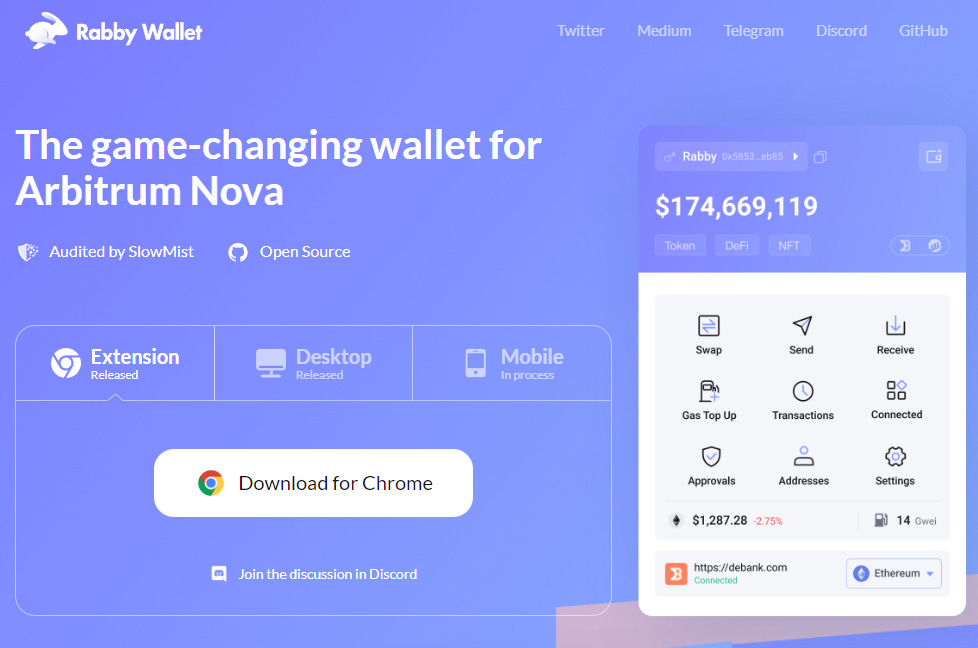
I’m biased, but some features matter more than a pretty dashboard. Wallet isolation, intelligent approval management, and transaction simulation are the parts that saved me from costly mistakes. My instinct said look for a wallet that treats allowances like the security issue they are; and Rabby felt like it did just that. Okay, so check this out—Rabby builds in per-contract allowance controls that are easier to manage than the usual “approve unlimited” mess. That alone reduced my mental load when interacting with DEXs and yield farms.
Seriously?
The multi‑chain angle is not just marketing. When you actually switch networks, small UI cues—like network-aware gas presets and clear token origin labels—make a difference. On one hand, you want speed and low latency; on the other hand, you need clarity about which chain you’re signing on. Rabby’s approach tries to blend both, showing contextual warnings without being alarmist. That said, no wallet is perfect; I still saw a couple of rough edges around EIP‑1559 style suggestions on exotic chains.
Wow!
Security architecture matters more than features. I liked that Rabby segments connections and limits exposure via its connection manager. Initially I thought this was just polish, but then realized it reduces blast radius when a dApp behaves badly. The design choice to show contract call details in readable language changes behavior—people pause, and that pause often prevents bad clicks. I’m not 100% sure this will stop all phishing vectors, but it’s a strong step forward.
Whoa!
There’s also performance. Many extensions get bogged down as you add tokens or enable many networks. My testing showed Rabby stayed snappy even with several networks active, which matters when you’re switching chains often. On a practical level, that responsiveness saves time and reduces those “did I sign the wrong tx?” moments. Small things, but very very important when you’re moving value around.
Here’s the thing.
Integration with DeFi tooling is where multi-chain wallets shine or die. I tested swaps, stakes, and LP interactions across Ethereum, BSC, and an L2. Rabby handled cross‑chain token recognition and token icons better than most. There were hiccups—oh, and by the way, one token’s metadata didn’t load right at first—but support fixed the listing quickly. The overall flow felt intentionally designed for power users who also want guardrails for novices.
Really?
Now about privacy. Browser extensions leak metadata; that’s unavoidable to some extent. Rabby tries to limit over‑exposure by giving you clear permission prompts and a tidy connection history you can audit. On one hand, the model is as good as the user’s habits; on the other, better UI nudges change habits. So, it’s both behavioral and technical—initially I underestimated the behavioral side, though actually that’s where most day-to-day safety comes from.
Wow!
If you want to try it, I typically send friends to a straightforward download page so they avoid impostors. For a direct start, here’s the official spot I trust for a quick grab: rabby wallet download. I recommend verifying the extension in the Chrome Web Store or the browser’s add-on store as an extra check. Do that, and then spend five minutes in settings to toggle the things that matter to you—auto‑connect, chain list, gas presets—because defaults rarely match everyone’s risk tolerance.
Hmm…
Adoption notes: team play matters. If your workplace or cohort agrees on a common wallet policy—like restricted allowances and a small set of whitelisted dApps—your operational risk drops. I’ve seen groups standardize on a single wallet and that saved hours of troubleshooting. There’s a tradeoff though; lock everyone into one tool and you might miss a niche feature. So, balance is key.
Whoa!
Practical tips from my checklist: use hardware wallets for big sums, keep a hot wallet for small daily moves, and always check the contract address when approving allowances. I also export and store transaction histories sometimes, because audit trails are underrated. These habits are boring, but they protect capital—boring wins.
Here’s the thing.
In the near term, I expect more wallets to adopt granular approval UIs and richer transaction previews. Some will do it better than others. On one hand, UX improvements can mask risks; though actually, when done thoughtfully, UX can also surface risks in digestible ways. For now, try the tools, but be skeptical—your skepticism is your best defense.
Small FAQ
Below are quick answers to the common questions I get from friends testing multi‑chain wallets.
FAQ
Is a multi‑chain extension wallet safe?
Short answer: safer when paired with good habits. Seriously, segmentation (hot vs hardware), granular allowances, and transaction previews matter. On one hand, the tech is mature; on the other, the human element causes most losses. So use tech + practice.
Should I trust downloaded extensions?
Trust the source. Verify the publisher and the extension ID when possible. My rule: get it from the official store and check a verified download link if you’re unsure. I’m cautious—very cautious—about third‑party links, even when they look legit.